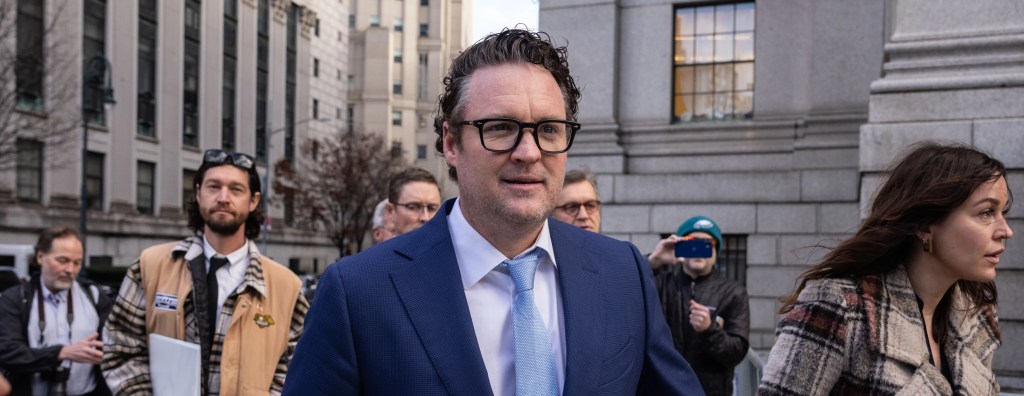
Pushing boundaries has always been Trevor Milton’s way. Defying the norms drove him in 2014 to start Nikola Corp., an electric-vehicle startup that aimed to be the Tesla of trucks.
He later became the public face of its collapse, sentenced to four years in prison after being convicted of defrauding investors. Then came President Donald Trump.
Now Milton is trying to use the “full and unconditional” pardon the president awarded him last spring to test new limits in court and, with it, the centuries-old concept of the separation of powers.
His lawyers doubled down in a Jan. 30 filing on their argument that Trump’s pardon amounted to an unquestioned exoneration that materially changed Milton’s “relationship with the law” and his standing in the bankruptcy.
Among other things, they are asking a Delaware federal judge to reverse a bankruptcy court ruling that found Milton’s misconduct was enough to push his nearly $70 million claim against Nikola to the back of the creditor line, effectively wiping out his chance of a payout in the Chapter 11 proceeding.
Since returning to office, Trump has issued an unprecedented number of pardons, even without counting more than 1,000 Jan. 6 defendants. Some recipients have sought to leverage the pardon for more than just removing a conviction, asking to be reimbursed for fees or fines related to their cases. Judges have mostly rejected those bids.
Milton’s argument goes deeper, contending that the president’s pardon power is “sweeping” and that his public statements that the former Nikola executive “did nothing wrong” amount to a finding of innocence by Trump. His lawyers cite a 19th-century Supreme Court decision related to a Confederate soldier, which concluded a presidential pardon “blots out the existence of guilt.”
More recent rulings counter that argument, legal scholars say. But the Trump administration’s subjugation of the justice system and its aggressive pushback on judges make Milton’s appeal worth watching.
This article was originally published by Bloomberg Law.
Photo: Yuki Iwamura/Bloomberg

