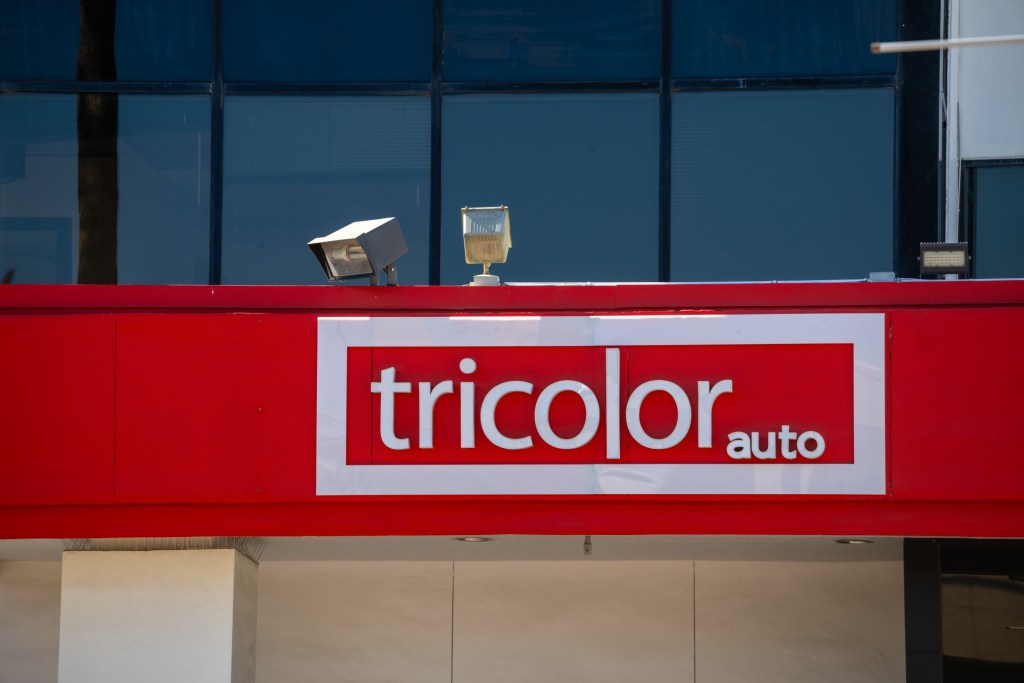
Three years ago, Yosvanys Garcia Diaz paid $47,000 for a used Ford F-150 from Tricolor Holdings. What the now-shuttered auto dealership neglected to tell him was that the pickup had been in at least one wreck and had already changed hands three times. Oh, and it sold new for $33,700 in 2021.
After a warranty dispute over a bad transmission and about $30,000 in payments, Diaz still owes $29,500. That’s only partly because of the 11% interest rate on his auto loan, says the 36-year-old, who immigrated to the US from Cuba in 2008 and has a green card. The bigger problem was shoddy recordkeeping at Tricolor.
He’d love to see his ballooning payments halted. Tricolor, after all, filed for Chapter 7 bankruptcy in September in a spectacularly public implosion, leaving behind dozens of empty dealerships across the Southwest. But as top Wall Street banks and private lenders jostle to get their money back—they loaned the company at least $1 billion—buyers can’t seem to catch a break on their debt.
Diaz and dozens of other borrowers have filed motions seeking to have their loans suspended until a federal court decides how to divvy up payments, but getting relief won’t be easy. US bankruptcy judge Michelle Larson has ruled that anyone who wants to suspend loan payments while they pursue legal action against Tricolor must pay a $199 court fee, hire an attorney and, if they don’t speak English, pay for an interpreter. Worse, she said they’d have to appear in federal court in Dallas—hundreds of miles from many of their homes—where some risk being swept up by Border Patrol agents.
This article was originally published by Bloomberg LP.
Photo: Ash Ponders/Bloomberg

